
WEBCOZA CASE STUDY
Bass Fishing Tips US: Connecting Niche Content With Ecommerce
Bass Fishing Tips US combines a substantial tackle catalogue with long-form fishing guides, product information and practical bass-fishing content.
WebCoZa supports the website across ecommerce structure, product content, SEO, educational guides and ongoing development — helping commercial and informational content work together rather than living in separate corners of the site.
THE CHALLENGE
Hundreds of Products and Even More Ways to Talk About Bass Fishing
Bass fishing is a broad subject. Anglers may arrive looking for a particular lure, a rod, a line setup, a seasonal technique or simply an answer to a fishing question.
At the same time, the store contains hundreds of tackle products across lure types, rods, reels, line, accessories and other categories.
The challenge is therefore not simply adding products and publishing blog posts. The website needs a structure that connects what anglers want to learn with the gear they may actually need.
ECOMMERCE STRUCTURE
Organising a Large Tackle Catalogue
A fishing store quickly becomes difficult to navigate if every lure and accessory is treated as an isolated product.
Meaningful Product Categories
The catalogue is divided into recognisable fishing categories such as crankbaits, jerkbaits, soft plastics, swimbaits, topwater lures, fishing line and accessories.
Technique & Lure Types
More specific categories help anglers narrow the store according to how they fish rather than forcing them to browse every lure on the site.
Product-Level Information
Product pages are developed with clearer descriptions, practical specifications and guidance about how the item fits into a real fishing setup.
Related Gear
Internal links between rods, reels, line and lures help create useful product pathways instead of ending the customer journey on a single product page.
WHY WE BUILT IT THIS WAY
Anglers Search for Answers Before They Search for SKUs
A fisherman may search for the best lure for early spring, how to fish a lipless crankbait or which rod suits a particular technique long before searching for an exact product name.
That makes educational content part of the commercial structure rather than an optional blog bolted onto the side of the shop.
Useful guides can answer the fishing question first and then introduce relevant tackle naturally when it actually helps the reader.
CONTENT STRATEGY
Building Around Real Fishing Questions
The content library covers practical lure, rod, technique and seasonal topics rather than publishing generic fishing articles simply to keep a blog calendar alive.
Lure Guides
Detailed guides explain how different lure families work, when to use them and what conditions suit them.
Gear Guides
Rod, reel and tackle content helps anglers understand the equipment around a technique rather than viewing individual products in isolation.
Seasonal Fishing
Seasonal content gives anglers context around lure choice, water conditions and changing bass behaviour.
EDITORIAL APPROACH
Useful Information Without Sounding Like a Tackle Catalogue
Fishing content can become painfully generic very quickly. Bass Fishing Tips US uses a conversational, practical voice that aims to sound more like experienced anglers talking tackle than a manufacturer reading a specification sheet aloud.
That same approach carries through into product descriptions, where technical details are combined with context about how and where the gear might actually be used.
The goal is not to pretend every lure is revolutionary. It is to help the reader understand what job the lure, rod or piece of tackle is suited to.
PRODUCT CONTENT
Turning Supplier Data Into Something an Angler Can Use
Imported product data often arrives with awkward titles, inconsistent specifications and very little explanation.
Cleaner Product Titles
Titles can be rewritten around the product type, important specifications and real fishing use rather than carrying every supplier keyword into the shop.
Practical Descriptions
Product copy explains what the item does, where it may fit into an angler’s tackle and what important choices or limitations should be understood.
Gear Pairing
Where useful, product pages point towards relevant rods, reels, line, lures or guides so anglers can understand the wider setup.
Internal Links
Product pages can link into relevant educational guides, while guides can point back towards suitable categories and tackle.
CONTENT + COMMERCE
Connecting the Fishing Advice With the Fishing Gear
The strongest pages do not force visitors to choose between learning and shopping.
Guides Answer the Question
Long-form fishing content can explain techniques, lure choices and tackle decisions in enough detail to stand on its own.
Products Support the Guide
Relevant tackle can be introduced where it genuinely helps the angler act on the advice rather than being stuffed into every paragraph.
Products Link Back to Knowledge
A customer viewing a lure or rod can be directed towards a useful guide when they need more information before choosing.
SEARCH VISIBILITY
Building Topical Depth Around Bass Fishing
Search visibility becomes stronger when a website can demonstrate genuine depth around the subjects it covers.
Topic Clusters
Crankbaits, rods, topwater lures, soft plastics and other subjects can be developed through connected guides and commercial pages.
Search Intent
Informational searches and product searches require different pages rather than trying to make one URL do everything.
Internal Relationships
Linking related articles, products and categories helps visitors and search engines understand how the site’s fishing topics fit together.
THE OUTCOME
A Niche Website With Several Ways to Be Useful
The site can serve anglers who want information, tackle, product comparisons or a mixture of all three.
A Large Structured Catalogue
Hundreds of products can sit within meaningful lure, tackle and equipment categories rather than one unmanageable shop archive.
An Expanding Content Library
Fishing guides provide room to cover techniques, seasons, lure types and equipment in greater depth.
Commercial and Educational Pages Work Together
Internal links create sensible pathways between the advice an angler is reading and the relevant tackle available on the site.
The Site Can Continue Evolving
New tackle, rewritten product pages and new fishing guides can be incorporated as the catalogue and content strategy develop.
THE WEBSITE IN PRACTICE
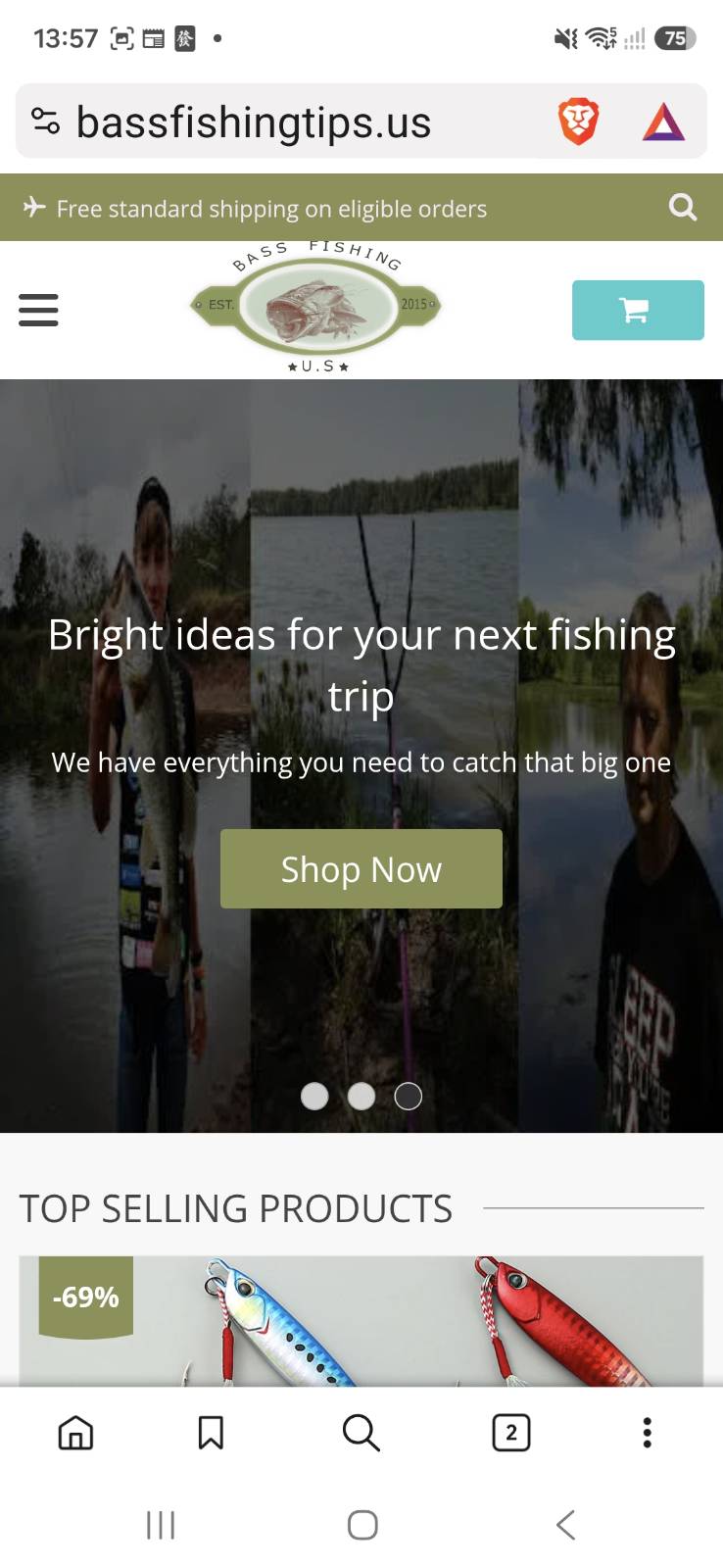
Ecommerce, Fishing Guides and Mobile Usability
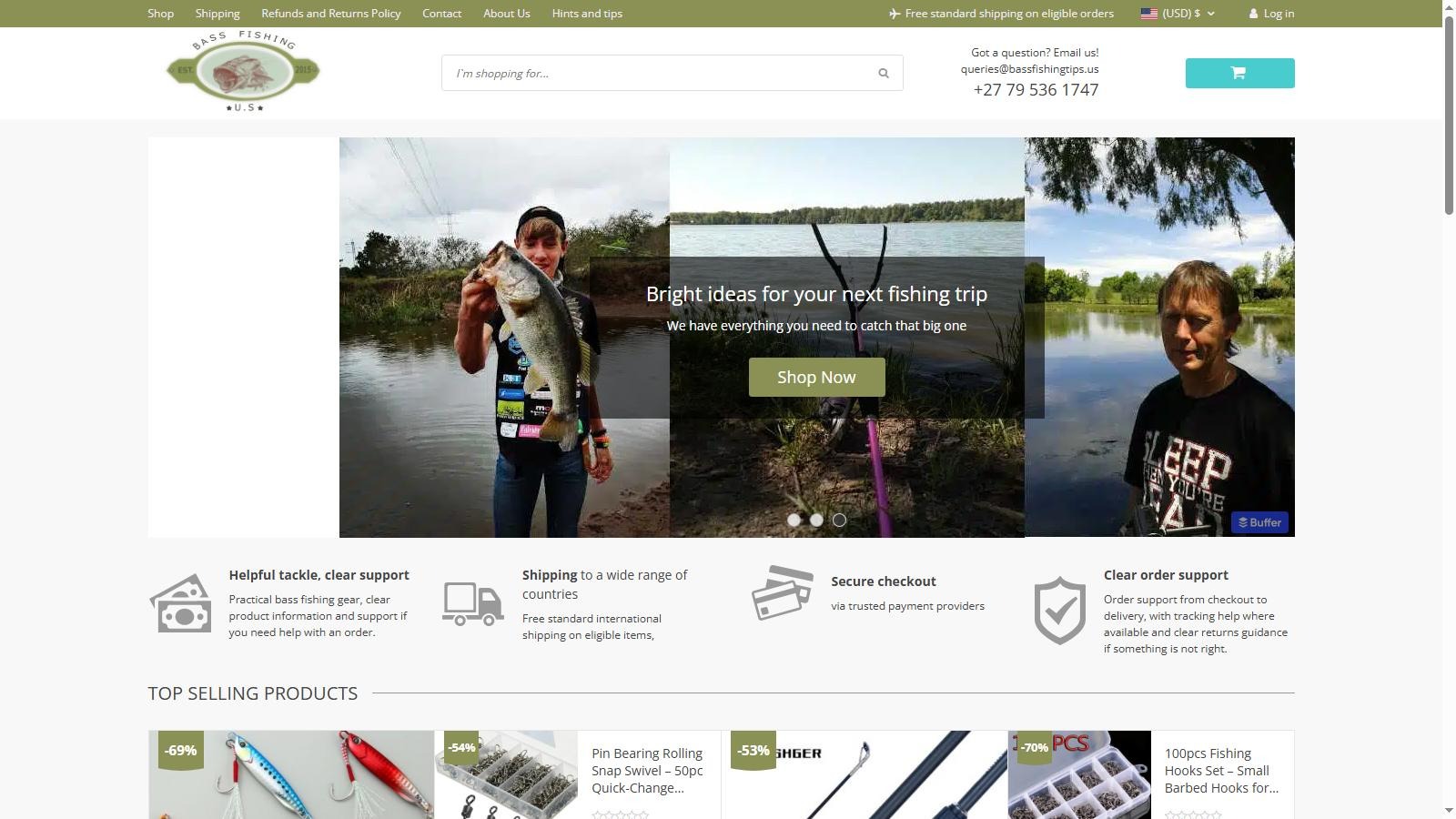
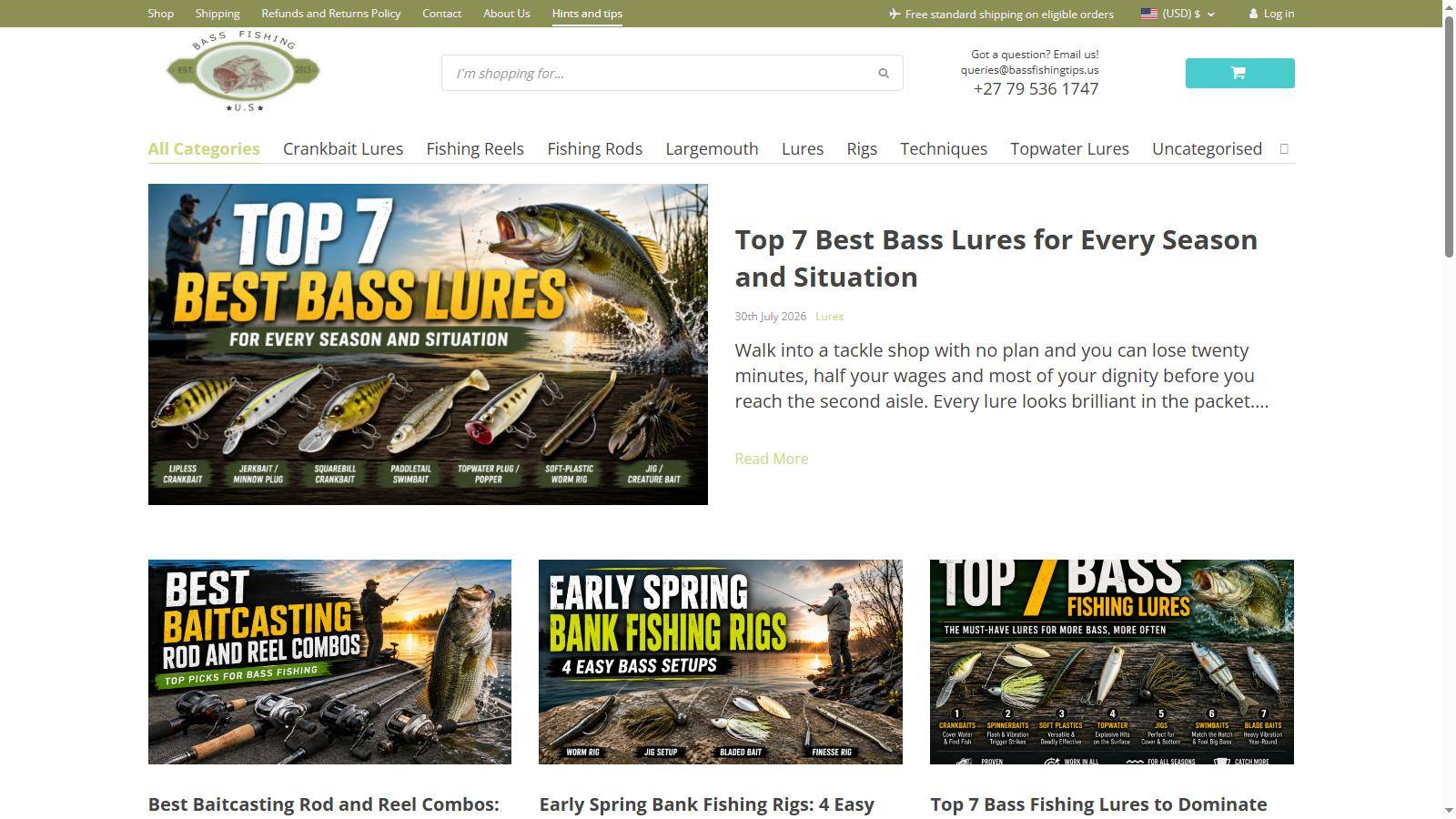
Bass Fishing Tips US combines a substantial tackle catalogue with practical fishing guides and product-focused content. Visitors can move between learning about a technique and exploring the tackle connected with it.
SERVICES USED
What WebCoZa Brings to the Project
Ecommerce Websites
Catalogue structure, product organisation and ecommerce functionality for a large specialist store.
Ecommerce Websites →SEO
Search structure, metadata and internal linking across commercial and informational content.
SEO & Google Visibility →SEO Content
Long-form fishing guides developed around real angler questions and search intent.
SEO Content Writing →Product Content
Rewriting product titles, descriptions and supporting information into clearer fishing-focused language.
Website Maintenance
Ongoing technical attention as products, content and functionality continue changing.
Website Maintenance →Content Strategy
Connecting fishing questions, topical guides, product categories and individual products into a coherent content ecosystem.
BUILDING A NICHE WEBSITE?
Content and Ecommerce Work Better When They Talk to Each Other
If your business combines specialist knowledge with products, guides or a large catalogue, the website should help visitors move naturally between learning and buying.